7 Essential Tips for Proper Wine Storage
If you’ve invested in a collection of fine wines but don’t plan to drink them immediately, proper storage is essential to preserve their quality, flavor, and aging potential. While only a small percentage of wines improve with time, improper storage can ruin even the finest bottles.
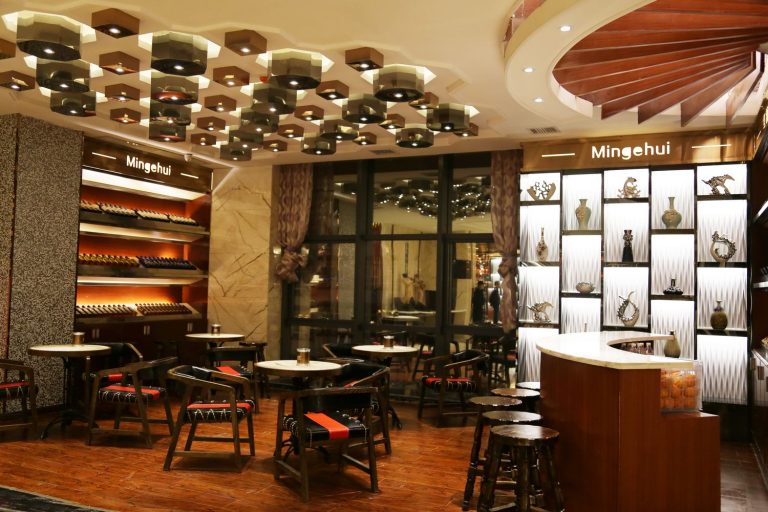
At LeadMC, we have over 10 years of experience in crafting stainless steel wine cabinets for commercial spaces like restaurants, hotels, and luxury wine cellars. Our expertise ensures that wine is stored under optimal conditions, preventing premature aging and spoilage.
To help you make the most of your wine collection, we’ve compiled seven expert-backed storage tips to maintain wine in peak condition.
1. Maintain a Cool and Stable Temperature
Temperature is one of the most important factors in wine storage. When wine is stored in too warm an environment, its aging process accelerates unnaturally, causing it to lose its complexity and develop unpleasant “cooked” flavors. On the other hand, excessive cold can dull the wine’s aroma and taste.
Ideal Storage Temperature Range
- The optimal temperature for most wines is 12°C (55°F).
- A safe range is 7°C to 18°C (45°F to 65°F).
- Wine should never be stored above 21°C (70°F), as this can cause premature aging and spoilage.
- Temperatures below -4°C (25°F) can freeze the wine, which can expand, push the cork out, or even crack the bottle.
Why Temperature Matters
- High temperatures cause wine to age too quickly, leading to a loss of delicate aromas and balance.
- Low temperatures slow down aging but can damage the cork, allowing oxygen to seep in.
- Fluctuations in temperature are especially harmful, as they cause the wine to expand and contract, increasing the risk of oxidation.
Solution: A professional temperature-controlled wine cabinet, such as those designed by LeadMC, is the best way to maintain a stable environment for your wine collection.
2. Avoid Extreme Cold and Freezing Conditions
Many people store wine in a standard household refrigerator, assuming it’s a safe option. However, refrigerators are designed for food storage, not wine preservation.
Why Refrigerators Are Not Ideal for Long-Term Wine Storage
- Most refrigerators are set to 3°C to 5°C (37°F to 41°F), which is too cold for wine.
- The low humidity in refrigerators can dry out the cork, allowing air to enter and spoil the wine.
- Freezing temperatures can cause wine expansion, pushing the cork out and leading to oxidation.
- Prolonged cold exposure can mute the flavors and aromas of the wine, affecting its taste when eventually opened.
Best Practices for Cooling Wine
- If you need to chill a bottle for immediate drinking, an ice bucket is more effective than a fridge.
- Avoid storing wine in unheated garages, balconies, or near air conditioning vents, as extreme cold can damage the bottle and wine structure.
- If long-term storage is needed, invest in a professional-grade wine cabinet that regulates both temperature and humidity.
LeadMC’s stainless steel wine cabinets provide both cooling and humidity control, ensuring that wine is preserved under optimal conditions.
3. Keep the Temperature Constant
While the exact temperature matters, consistency is even more crucial. Wine should not be exposed to frequent temperature swings, as they can cause the liquid to expand and contract, affecting its aging process.
Dangers of Temperature Fluctuations
- Oxidation: When wine expands and contracts, air can seep in through the cork, leading to spoilage.
- Leakage: In extreme cases, wine may push the cork out or cause minor leaks.
- Loss of balance: Fluctuating temperatures can disrupt the wine’s natural aging process, leading to uneven development of flavors.
How to Ensure Stability
- Store wine in a dedicated wine storage area that is insulated from outside temperature changes.
- Avoid keeping wine in kitchens, near ovens, or in direct sunlight, as these areas experience frequent temperature shifts.
- Consider investing in a professional-grade stainless steel wine cabinet from LeadMC, which maintains a consistent temperature throughout the year.
4. Protect Wine from Light Exposure
Light exposure, especially from sunlight and fluorescent bulbs, can damage wine over time by breaking down its delicate compounds.
Why Light Is Harmful to Wine
- UV rays cause chemical reactions that prematurely age wine, leading to undesirable flavors.
- This is why many wines come in dark-colored glass bottles, which provide some protection—similar to sunglasses for wine.
- Even household fluorescent lights can emit small amounts of UV radiation, which may degrade wine over long periods.
Best Practices for Light Protection
- Store wine in a dark space away from direct sunlight.
- Use LED lighting instead of fluorescent bulbs in your wine storage area.
- If displaying wine in a commercial setting, opt for a wine cabinet with UV-resistant glass, like those designed by LeadMC, which protect wine while maintaining an elegant display.
5. Control Humidity Levels
Humidity affects the condition of wine corks, which play a crucial role in sealing the bottle and preventing oxidation.
Optimal Humidity Range
- The ideal humidity level for wine storage is 50% to 80%, with 70% being optimal.
- Too low (below 50%): Corks can dry out, allowing oxygen to enter and spoil the wine.
- Too high (above 80%): Excess humidity encourages mold growth, which can damage labels and storage areas.
How to Maintain Proper Humidity
- Use a humidifier if your storage area is too dry.
- Place a small dish of water in the storage space to increase humidity naturally.
- If humidity is too high, use a dehumidifier or a climate-controlled wine cabinet.
LeadMC’s wine cabinets come with humidity control features, ensuring your wine is stored in the perfect environment.
6. Store Bottles Horizontally for Efficiency
Wine bottles with natural corks should be stored on their sides to keep the cork moist and airtight.
Why Horizontal Storage Matters
- A dry cork can shrink, letting in oxygen and ruining the wine.
- Horizontal placement maximizes space efficiency, especially in commercial wine cabinets.
- It creates an aesthetic and organized display, ideal for restaurants and wine cellars.
LeadMC specializes in custom stainless steel wine racks that allow for efficient, space-saving storage while ensuring wine quality.
7. Minimize Vibrations and Movement
Vibrations can disrupt the aging process of wine, especially for older vintages with sediment.
Sources of Unwanted Vibrations
- Refrigerators, washing machines, and heavy machinery.
- High foot traffic in storage areas.
- Frequent movement or transport of wine bottles.
How to Prevent Vibrations
- Store wine in a stable, undisturbed environment.
- Use a sturdy wine rack or cabinet that absorbs minimal movement.
- Avoid storing wine near electronics or high-traffic areas.
LeadMC’s stainless steel wine cabinets are designed for stability and protection, ensuring your wine remains undisturbed.
Conclusion: Choosing the Right Wine Storage Solution
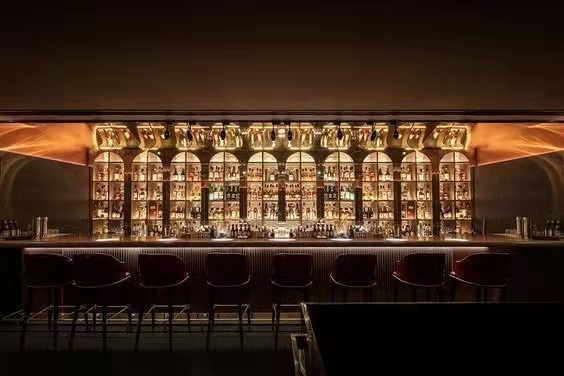
If you don’t have a dedicated wine cellar, a temperature-controlled wine cabinet is the best alternative. Avoid storing wine in kitchens, boiler rooms, or sun-exposed areas, where heat and light can degrade the wine.
At LeadMC, we specialize in custom stainless steel wine cabinets and racks, tailored for restaurants, hotels, and luxury wine cellars.
For custom wine storage solutions, contact LeadMC today!
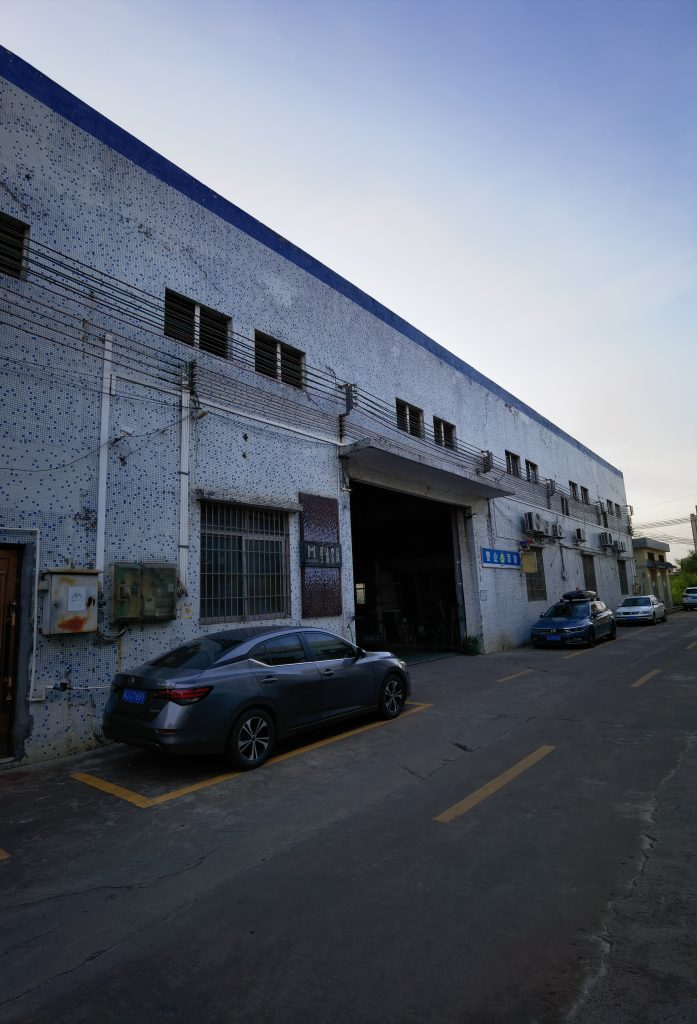
Why Choose LeadMC Metal for Stainless Steel Cabinets?
With over 10 years of experience in stainless steel cabinet manufacturing, LeadMC Metal specializes in providing high-end stainless steel solutions for commercial spaces, including:
Luxury hotels
Upscale restaurants
Retail stores and shopping malls
Commercial buildings and office spaces
Our Advantages:
Custom stainless steel cabinets tailored to your project’s specific needs
Expert craftsmanship with premium finishes
Durable, tarnish-resistant materials
Our stainless steel cabinets seamlessly blend elegance, functionality, and durability, making them the perfect choice for high-traffic commercial environments.