The most practical custom metal cabinet solution in 2024
Exploring Custom Metal Display Cabinet Options for Designers and Contractors
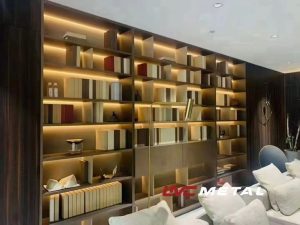
Stainless steel, renowned for its exceptional workability, durability, corrosion resistance, and aesthetic appeal, has become an indispensable material in modern architecture and interior design. For designers and contractors, transforming these characteristics into practical yet visually striking display cabinets is a key element in enhancing the quality of any space. With advanced craftsmanship and unique finishes, stainless steel metal display cabinets not only meet functional requirements but also become a focal point of design.
How to Customize Your Metal Display Cabinet?
Metal display cabinets are not just practical storage solutions; they are also design elements that elevate the aesthetics of a space. Whether in shopping malls, hotels, offices, or residential spaces, custom metal display cabinets can be designed and manufactured according to specific needs and aesthetic preferences.
1. Living Room Metal Display Cabinets:
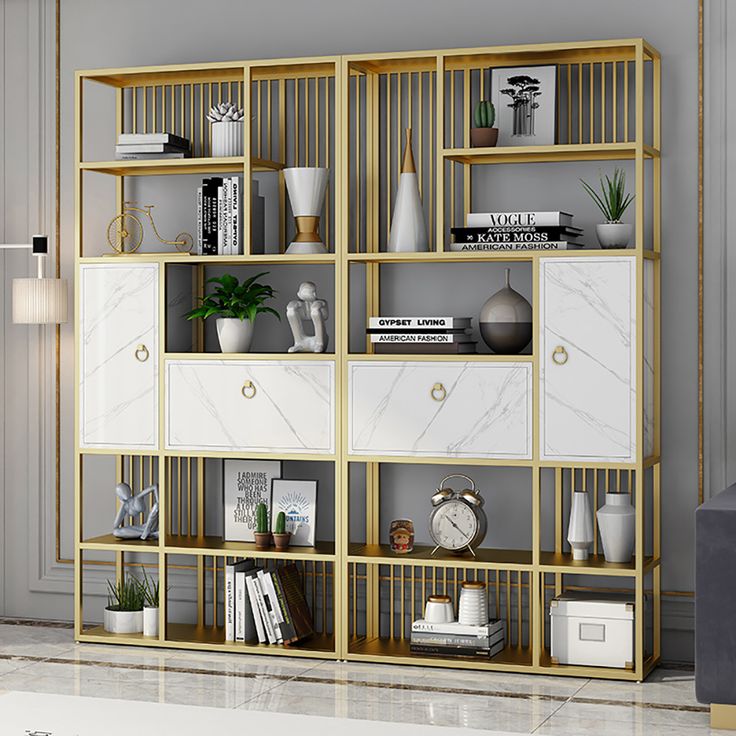
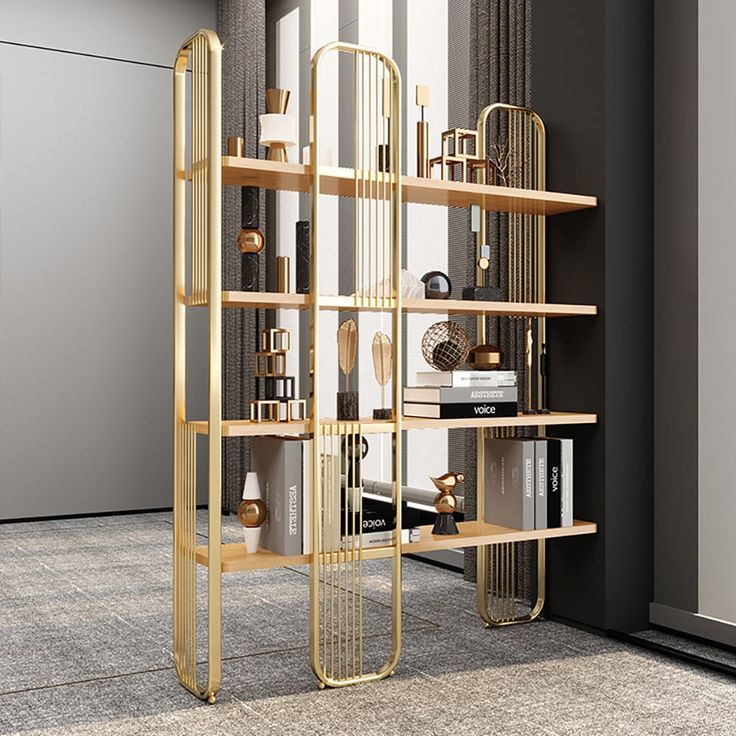
Living room display cabinets are more than just storage units; they are a showcase of the owner’s taste. Modern designers increasingly recognize that metal display cabinets are not only suitable for commercial spaces but also for home environments. Through diverse stainless steel treatments such as brushing, polishing, and copper plating, display cabinets can present a rich texture and visual effect. You can choose different design schemes based on the interior decor style and functional needs, ensuring that the metal display cabinet harmonizes with the overall space.
2. Wall-Mounted Indoor Display Cabinets:
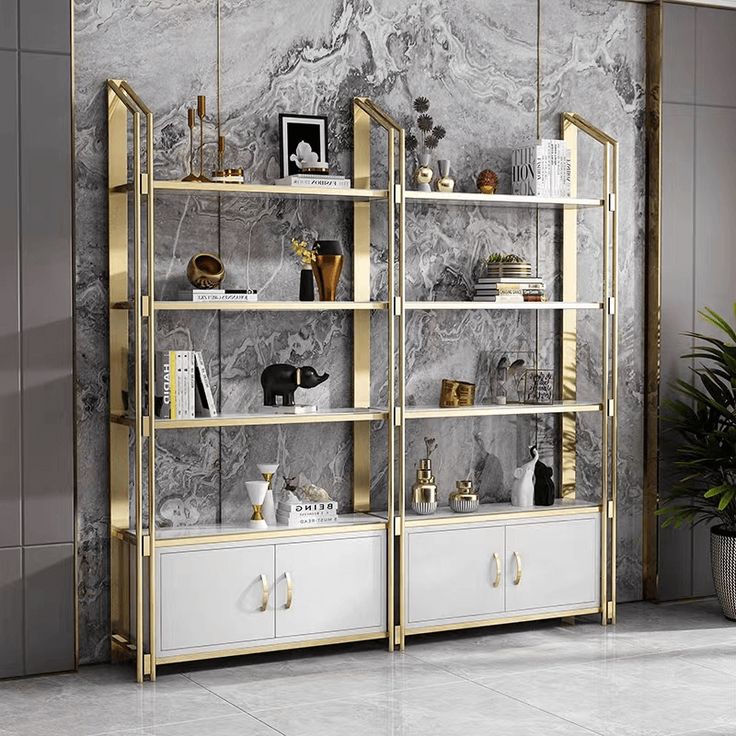
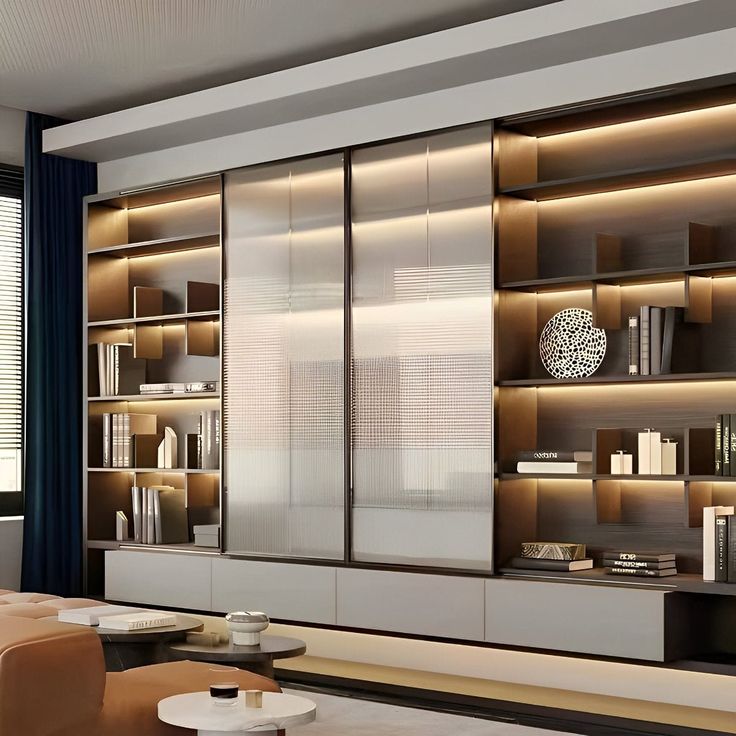
Wall-mounted display cabinets are a major trend in modern interior design, especially suitable for small spaces or areas where floor space needs to be conserved. When customizing wall-mounted display cabinets, designers must accurately measure the available space, consider the height, width, and depth of the cabinet, and assess the wall material and load-bearing capacity of the installation location. Additionally, selecting the appropriate mounting method (such as embedded installation or hanging installation) is crucial to ensuring the stability and safety of the display cabinet.
3. Functional Customization:
The functionality of a display cabinet directly influences its design and structure. Will it be used to display artwork, collectibles, books, or product showcases in commercial displays? Different uses require different structural designs, such as the number of shelves, the size of compartments, and whether enclosed storage space is needed. Functionality also involves user convenience, such as the need for sliding doors, locks, and other accessories to meet security and dustproofing needs.
4. Finish Selection:
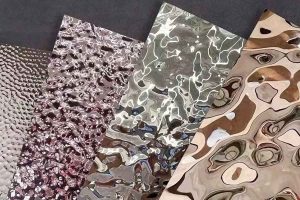
The finish of a metal display cabinet significantly impacts its final visual effect and texture. Stainless steel can undergo various surface treatments to achieve different finish effects. High-gloss polishing can create a luxurious sheen, suitable for modern and upscale design styles, while brushed finishes offer a matte texture, ideal for subtle and elegant designs. Techniques like copper plating or titanium plating can introduce different color options, adding a personalized touch to the display cabinet. Designers should choose the most appropriate finish based on the overall interior design style and the cabinet’s function.
5. Lighting Customization:
Lighting is an essential element in display cabinet design. Proper lighting design can greatly enhance the display effect of the items within the cabinet. You can choose spotlights to highlight specific items or use LED strips to create ambiance. Additionally, depending on the structure of the display cabinet, you may opt for built-in or external lighting to achieve different display effects. Selecting the appropriate color temperature and light intensity is also crucial to ensuring optimal display quality.
6. Customization of Accessories and Doors:
The design of accessories and doors is another important aspect of the customization process. Sliding doors, bi-fold doors, and glass doors not only affect the appearance of the display cabinet but also directly relate to its ease of use and functionality. For example, transparent glass doors allow a clear view of the items inside, while solid metal doors are better suited for privacy or dust protection. In terms of accessories, hinges, handles, and sliding tracks can all be customized to ensure a user-friendly experience.
7. Interior Design:
The interior design of the display cabinet determines its display effect and storage capacity. Through careful interior structure design, such as risers, brackets, and dividers, the cabinet can achieve diverse display effects within a limited space. Additionally, you can choose the appropriate layout for the type of items being displayed, such as tiered placement, hanging displays, etc., ensuring that each item is showcased in the best light. Ventilation and dustproofing design for the interior space are also essential, as they directly affect the preservation conditions of the displayed items.
Benefits of Using Metal Display Cabinets in Architecture
Stainless steel is one of the most commonly used structural materials in the architecture and design industry, offering numerous advantages. These benefits are not only reflected in its physical properties but also in its ease of use and cost-effectiveness during design and manufacturing.
1. Corrosion Resistance:
Stainless steel is widely used in various environments due to its excellent corrosion resistance, especially in humid and highly corrosive environments, where it can maintain long-term aesthetics and functionality. For example, 316-grade stainless steel, which contains molybdenum, offers higher corrosion resistance, making it particularly suitable for harsh conditions such as marine environments or chemical plants. In comparison, 304-grade stainless steel performs well in general environments and is a common choice.
2. Strength and Durability:
Stainless steel is renowned for its high strength and durability, especially in situations requiring high load-bearing capacity or frequent use. The strength of stainless steel is closely related to its alloy elements. For instance, austenitic stainless steels like 304 and 316 are typically stronger and more resilient than ferritic stainless steels like 430. This high strength allows stainless steel display cabinets to bear heavy items while maintaining structural stability and long-term reliability.
3. Aesthetic Versatility:
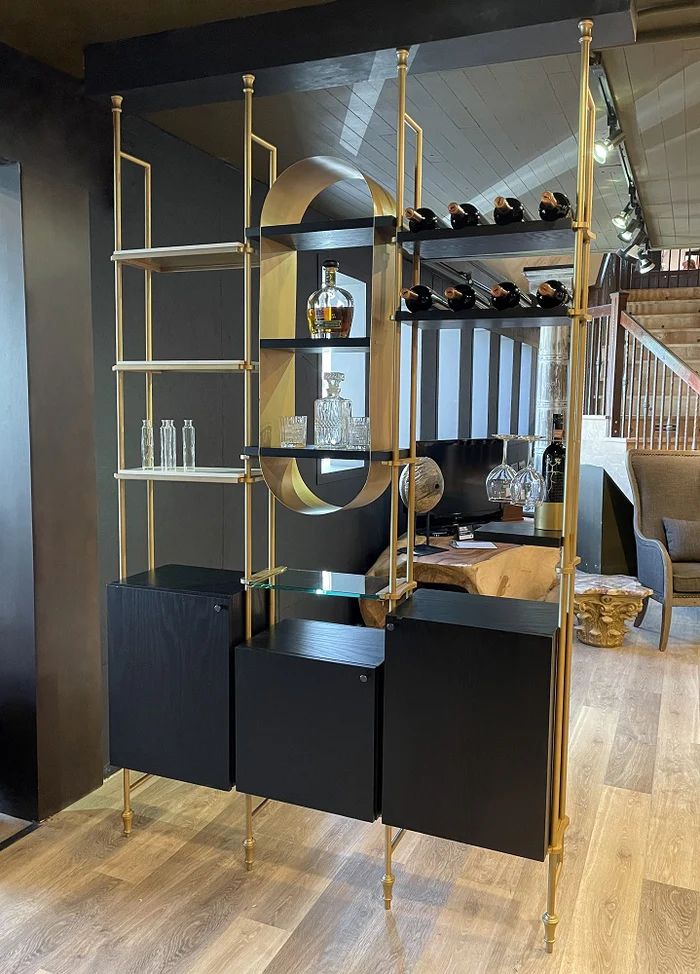
Stainless steel offers exceptional aesthetic versatility and can be manipulated through various surface treatments to achieve diverse visual effects. Polishing can give stainless steel display cabinets a high-gloss surface, ideal for modern and luxurious design styles, while brushing provides a matte texture, more fitting for understated and elegant designs. Additionally, stainless steel can be embossed or etched to create rich textures and patterns, adding depth to the design of the display cabinet.
4. Cost-Effectiveness:
Although the initial cost of stainless steel is higher, its durability and low maintenance cost make it more cost-effective in the long run. The corrosion resistance and strength of stainless steel display cabinets mean they can withstand harsh environments while maintaining their longevity, reducing the frequency of replacement and maintenance. Thus, choosing stainless steel materials can save substantial costs over time.
5. Environmental Adaptability:
The design of stainless steel display cabinets must consider their environmental conditions. For example, in humid or marine environments, using more corrosion-resistant 316-grade stainless steel is necessary. In contrast, 304-grade stainless steel suffices in dry, non-corrosive indoor environments. Moreover, factors such as climate conditions, temperature variations, and air pollution in the project location should be considered in material selection and design to ensure the durability and stability of the display cabinet.
6. Manufacturing Process:
The manufacturing process of stainless steel materials is another crucial factor in the customization of display cabinets. Different types of stainless steel behave differently during processing and forming; for example, certain materials may be easier to handle during laser cutting, welding, and surface treatment. For complex shapes or high-precision surface finishes, selecting the right type of stainless steel can reduce processing difficulty, improve production efficiency, and ensure the quality and consistency of the final product.
Conclusion
With an in-depth look at stainless steel material properties, finishing processes, and customisation options, we hope to help you make more informed decisions during the design and manufacturing process. If you’re looking for an experienced metal fabrication shop, contact our team at LeadMC. With over 10 years of experience in metal customisation and fabrication, we are committed to providing high-quality, bespoke solutions for every customer. Feel free to contact us to discuss your designs and solutions.