Does Stainless Steel Tarnish?
Stainless steel is widely used in commercial spaces for its sleek appearance, durability, and corrosion resistance. From luxury hotel cabinets to high-end restaurant interiors, stainless steel doors and architectural elements add a modern, polished touch to any space. However, despite its excellent resistance to rust, stainless steel is not completely immune to tarnishing.
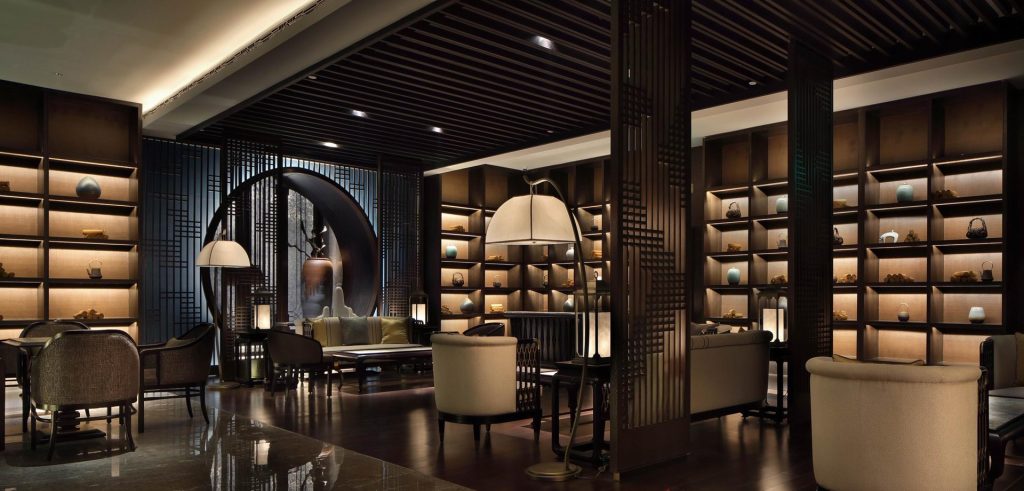
At LeadMC Metal, we have specialized in manufacturing stainless steel cabinets for over a decade, providing customized, high-quality solutions for commercial buildings, hotels, and upscale restaurants. Understanding why stainless steel tarnishes, how to prevent it, and how to maintain its flawless finish is essential for keeping your architectural stainless steel elements in pristine condition.
Does Stainless Steel Tarnish?
Stainless steel owes its durability to its chromium oxide layer, a natural protective coating that prevents rust and corrosion. However, when this layer is damaged or compromised, stainless steel can lose its shine and develop tarnishing, discoloration, or minor rust spots.
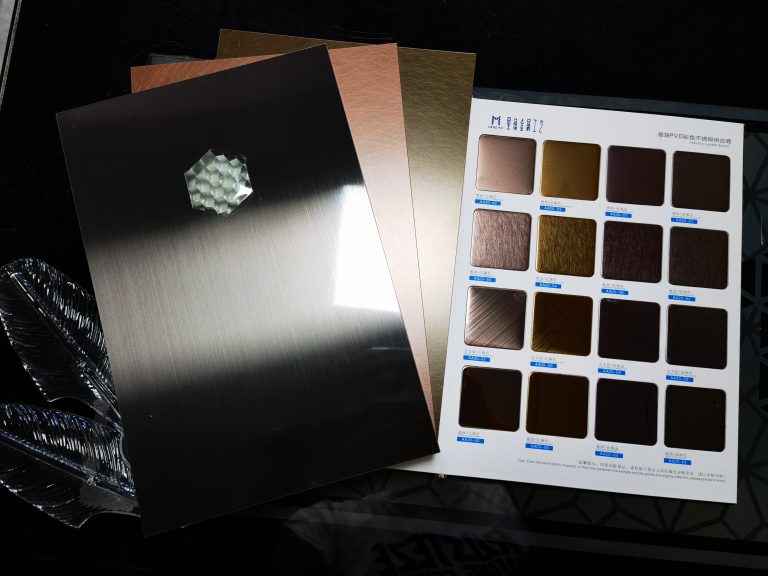
The appearance of tarnish varies depending on the environmental conditions and the type of stainless steel finish. For instance, mirror-polished stainless steel cabinets may show fingerprint marks and smudges more easily, while brushed stainless steel can develop dull patches over time. Proper care and maintenance are key to preserving the sophisticated look and longevity of stainless steel cabinets in commercial settings.
Factors That Cause Stainless Steel Tarnishing
Even though stainless steel is highly resistant to rust, it is still susceptible to tarnishing due to various external factors. Here are the most common reasons stainless steel loses its shine:
1. Damage to the Chromium Oxide Protective Layer
The natural chromium oxide layer forms a shield against corrosion, but long-term exposure to humidity, extreme temperatures, or harsh chemicals can weaken this protective film. This is especially important for stainless steel cabinets installed in coastal areas or high-humidity environments, where additional protective coatings may be necessary.
2. Electrochemical Reactions (Galvanic Corrosion)
When stainless steel comes into contact with other metals or electrolytes (such as saltwater or acidic substances), it can undergo an electrochemical reaction, leading to discoloration. This is why stainless steel cabinet in restaurants and kitchens—which are often exposed to grease, food acids, and cleaning chemicals—require frequent maintenance.
3. Welding and Heat Effects
During manufacturing and installation, stainless steel cabinets often undergo welding, which can lead to heat-induced discoloration if not properly treated afterward. At LeadMC Metal, we ensure that our stainless steel cabinets go through professional post-weld finishing, including polishing and passivation, to restore their original appearance and prevent tarnishing.
4. Improper Cleaning Methods
- Using abrasive cleaning tools (such as steel wool) can scratch the surface, leading to faster tarnishing.
- Harsh chemicals like bleach or chlorine-based cleaners can react with stainless steel, causing yellowing or staining.
- Allowing water stains or detergent residues to remain on the surface can lead to dull spots or streaks.
5. Excessive Heat Exposure
Stainless steel surfaces exposed to high temperatures for long periods—such as kitchen cabinets near cooking equipment—can develop discoloration, turning yellow, blue, or black. Similarly, heat from industrial processes can cause oxidation, leading to a loss of shine.
6. Airborne Contaminants and Pollution
In urban environments or industrial areas, airborne pollutants, sulfur compounds, and salt from the air can settle on stainless steel cabinets, leading to gradual tarnishing. Regular cleaning is essential to prevent buildup and maintain a stainless steel cabinet’s polished finish.
How to Prevent Tarnishing and Maintain Stainless Steel Cabinets
To ensure that stainless steel cabinets and other architectural elements maintain their sleek, modern look, proper maintenance is crucial.
1. Regular Cleaning and Maintenance
- Use mild detergent and warm water for daily cleaning.
- Wipe surfaces with a soft microfiber cloth to prevent scratches.
- For stubborn stains, use a specialized stainless steel cleaner or a vinegar-water solution.
- Always wipe stainless steel cabinets dry to prevent water stains and mineral deposits.
2. Choose the Right Finish for Your Application
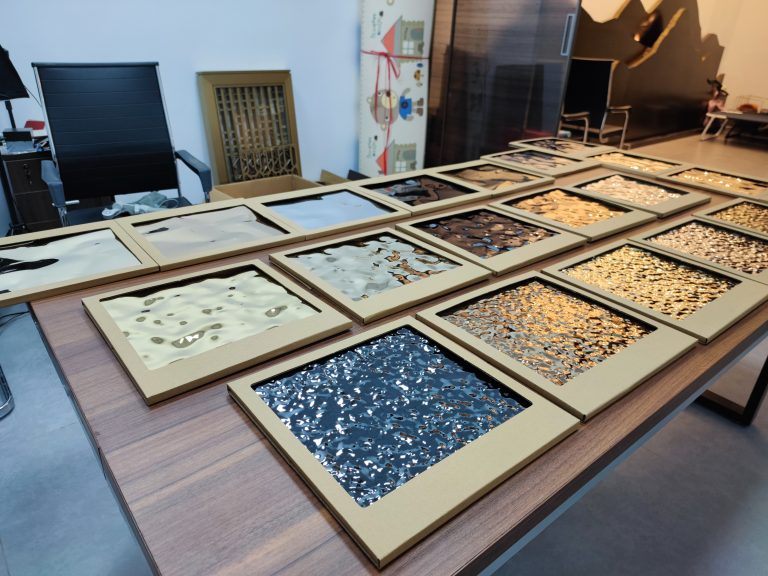
At LeadMC Metal, we offer various surface finishes that enhance both durability and aesthetics:
- Brushed (hairline) finishes hide fingerprints and minor scratches.
- Mirror-polished surfaces provide a luxurious, high-end appearance.
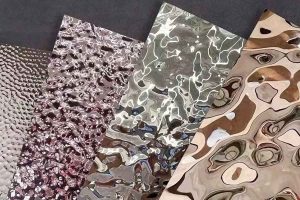
- Etched and embossed patterns add decorative detail to stainless steel cabinets.
- PVD coatings in gold, black, or bronze offer extra protection against tarnishing and wear.
Choosing the right finish can significantly impact the longevity and ease of maintenance of your stainless steel cabinets.
3. Apply Protective Coatings
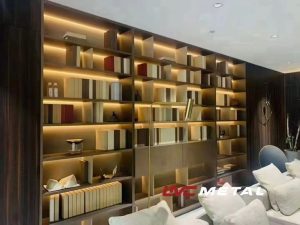
For high-traffic areas like hotel cabinets and restaurant cabinet, additional protective coatings can help enhance tarnish resistance. Anti-fingerprint coatings, clear lacquers, and nano-sealants can minimize smudging and discoloration over time.
4. Store and Install Stainless Steel cabinets Properly
- If stainless steel cabinets are not immediately installed, store them in a dry, ventilated area.
- Avoid exposure to moisture, industrial chemicals, or direct heat sources during storage and installation.
- In coastal or humid environments, rinse stainless steel surfaces periodically to remove salt and pollutants.
5. Post-Weld Polishing and Finishing
At LeadMC Metal, our stainless steel cabinets undergo high-quality welding and finishing processes to prevent tarnishing. We ensure that:
- All welds are polished and treated to restore a uniform finish.
- Passivation treatments are applied to strengthen the chromium oxide layer.
- Final inspections guarantee that the doors meet the highest quality standards.
Why Choose LeadMC Metal for Stainless Steel Cabinets?
With over 10 years of experience in stainless steel cabinet manufacturing, LeadMC Metal specializes in providing high-end stainless steel solutions for commercial spaces, including:
Luxury hotels
Upscale restaurants
Retail stores and shopping malls
Commercial buildings and office spaces
Our Advantages:
Custom stainless steel cabinets tailored to your project’s specific needs
Expert craftsmanship with premium finishes
Durable, tarnish-resistant materials
Our stainless steel cabinets seamlessly blend elegance, functionality, and durability, making them the perfect choice for high-traffic commercial environments.
Conclusion
While stainless steel is highly resistant to rust, it is not completely maintenance-free. Understanding the factors that cause tarnishing—such as exposure to moisture, chemicals, and heat—is essential for preserving the beauty and durability of stainless steel doors.
By choosing high-quality stainless steel products, applying proper maintenance techniques, and investing in protective finishes, you can ensure that your stainless steel cabinets remain sleek and corrosion-free for years to come.
At LeadMC Metal, we are committed to providing premium stainless steel cabinets that withstand the test of time. Whether you need custom designs, specialized finishes, or expert installation guidance, we have the expertise to deliver the best stainless steel solutions for your commercial space.
For more information on our stainless steel cabinets and architectural metal solutions, contact us today!
Would you like any refinements or additional details?
This version enhances the content by emphasizing LeadMC Metal’s expertise in stainless steel cabinets, adding detailed maintenance tips, protective measures, and product features to make it more valuable for potential clients. Let me know if you need further customization!