Plan Ahead: Allocate Space and Power Before Finalizing Interior Design
Many commercial clients and designers reach out for a custom wine cabinet only when the interior renovation is nearly complete. This often leads to problems such as insufficient cabinet depth or missing power outlets, requiring additional modifications to achieve the perfect design.
To avoid such issues, it is crucial to plan ahead. The standard depth for a temperature-controlled wine cabinet is 500mm. Ensuring that power lines are pre-installed from the ceiling down during the initial design phase will streamline the installation process and prevent unnecessary alterations later.
Opt for a Split Cooling System for Silent Operation Indoors
For optimal performance and minimal noise, a split cooling system is highly recommended. This setup allows the main cooling unit to be placed outdoors while the wine cabinet remains inside, providing a quiet and efficient cooling solution.
Installing a split cooling system requires early intervention during the construction phase. Copper pipes and drainage lines must be pre-installed, ensuring that the cooling unit can function effectively. This setup not only reduces noise but also extends the lifespan of the system by keeping heat and vibrations away from the main storage area.
Install a Heating and Anti-Fogging Feature to Prevent Condensation
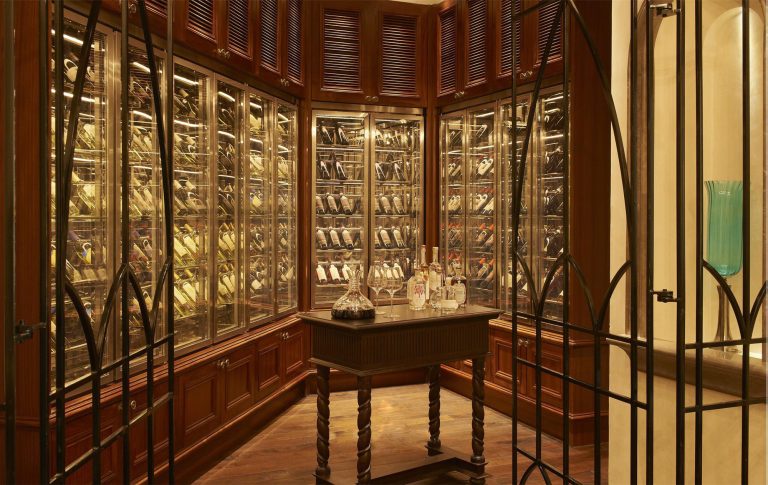
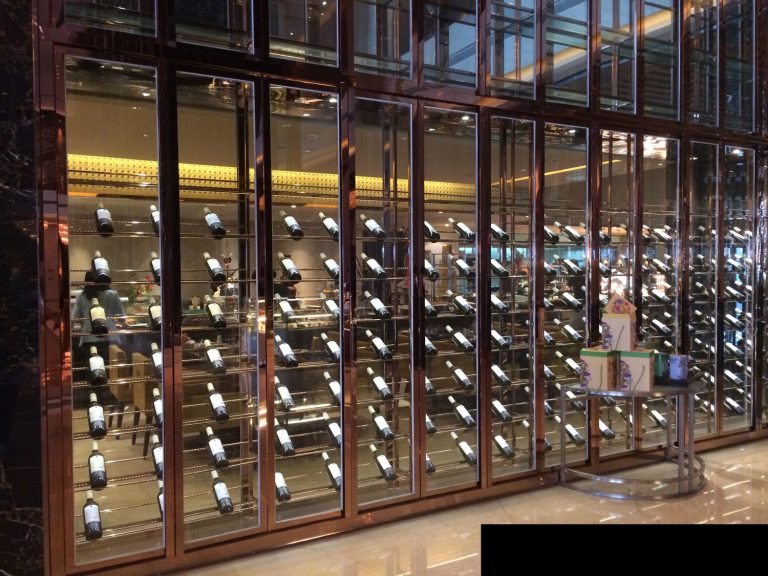
Temperature-controlled wine cabinets typically use transparent glass doors. In humid environments, especially in southern regions, condensation forms due to the temperature difference between the interior and exterior, causing water droplets to accumulate on the glass.
If left unattended, condensation can lead to water dripping onto floors, potentially damaging wooden surfaces. To prevent this, we recommend incorporating a heating and anti-fogging feature for the glass doors when the budget allows. This feature ensures clear visibility and helps maintain an elegant display of the wine collection.
Choose Stainless Steel Wine Cabinets for Basement Installations
For clients who primarily value aesthetics and do not frequently use the temperature-control function, stainless steel wine cabinets are a great option for basement installations. They offer durability, corrosion resistance, and a high cost-performance ratio, making them a long-lasting investment.
Basements tend to have higher humidity levels, which can accelerate the wear and tear of traditional materials. Stainless steel wine cabinets provide superior resistance to moisture and rust, ensuring longevity and reducing maintenance needs. This makes them an ideal choice for long-term wine storage solutions.
Combine the Wine Cabinet with a Bar Counter to Maximize Space Efficiency
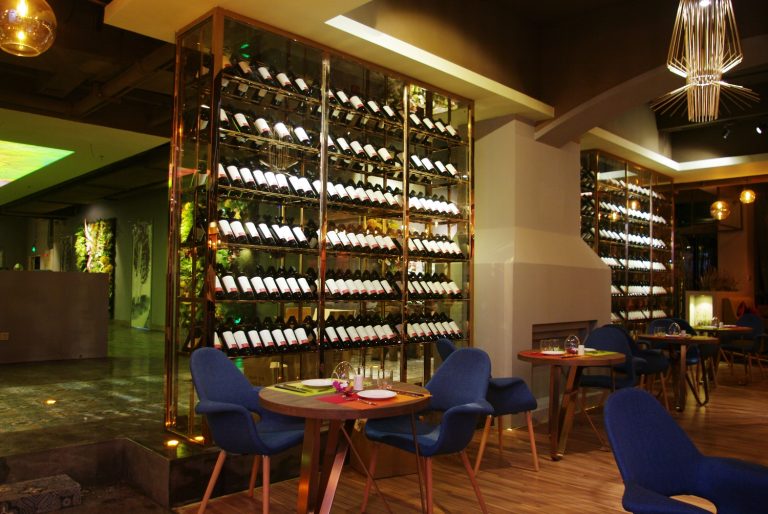
Merging a wine cabinet with a bar counter enhances storage capacity and creates a refined tasting area. This combination not only increases the cabinet’s functionality but also elevates the overall ambiance of the space.
By integrating the wine cabinet into a bar counter, the design maximizes space efficiency while offering a convenient and stylish setup for wine enthusiasts. A minimalist design approach ensures a modern and sophisticated look, providing an ideal setting for wine appreciation while seamlessly blending with the overall interior decor.
About LeadMC
With over 10 years of expertise in crafting high-quality wine cabinets, LeadMC specializes in designing and manufacturing custom solutions for commercial spaces, including hotels, restaurants, and luxury venues. Our commitment to precision, durability, and aesthetic excellence ensures that every wine cabinet we create meets the highest industry standards.