The design and construction of a home wine cellar is not only related to the effect of wine storage in the cellar, but also has a direct impact on the aesthetics and practicality of the cellar space. A well-designed wine cellar not only provides an ideal environment for wine storage, but also becomes the highlight of interior decoration. As LeadMC, we have been specializing in the design and manufacture of stainless steel wine cabinets for 10 years, providing quality solutions to help you realize your ideal wine cellar space.
1. Location requirements
The ideal wine cellar is in a basement below grade, usually the deeper the better. The worst place for a wine cellar is in a space directly under the roof, which may be too hot in the summer and too cold in the winter. Indoor wine cellars are best placed in the northwest, which is less prone to direct sunlight. A wine cellar downstairs would be better than upstairs.
2. Insulation
Thermal insulation requirements depend on the external environment of the wine cellar, but also depends on the depth of the wine cellar. Wine cellar can be directly sprayed on the wall with thermal insulation coating such as 2LB Polyurethane, which can bring some thermal insulation effect to the wine cellar during renovation and construction. There are some other treatments for the insulation problem as well, aiming to keep the interior cool, drive away the heat and control the humidity.
3. Moisture-proof walls
The materials used for walls and ceilings should possess moisture-proof features, and walls that can resist moisture are easy to paint. If wood is used as a moisture-proof wall, it should be made of odorless wood, such as western cedar and California redwood.
4. Refrigeration equipment
Refrigeration equipment selection is mainly to be stable and quiet, preferably with dehumidification. Some equipment can even create humidity in the room. When installing, pay attention to the interior design of the air outlet should be even.
5. Wooden board skeleton
Walls need to be pre-treated with 2×6 or 2×4 boards, built-in anti-freezing or thermal insulation materials, and the floor in cold areas should also be insulated.
6. Wine cellar door
Wine cellar doors should usually have frames and air vents, and if aesthetics are not the main criterion, an iron door with insulation can also be considered. The main issue is that the door should be vented and have a door bar. Glass doors are not insulated and require a larger type of refrigeration equipment such as an air conditioner.
7. Wine racks
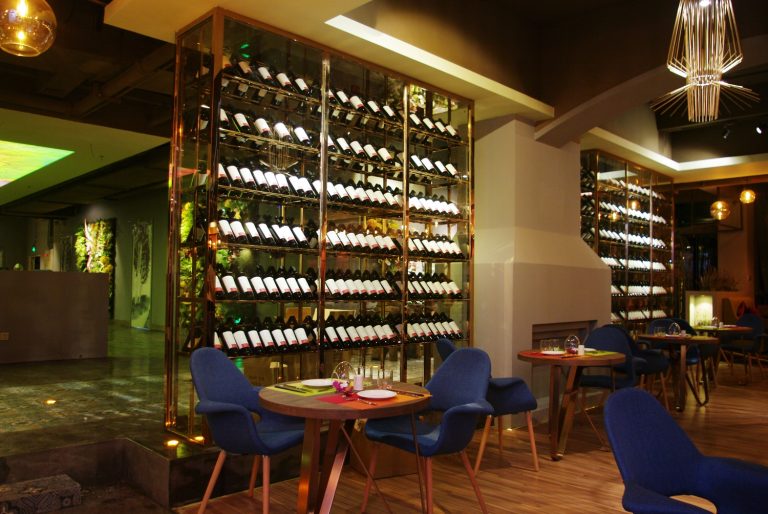
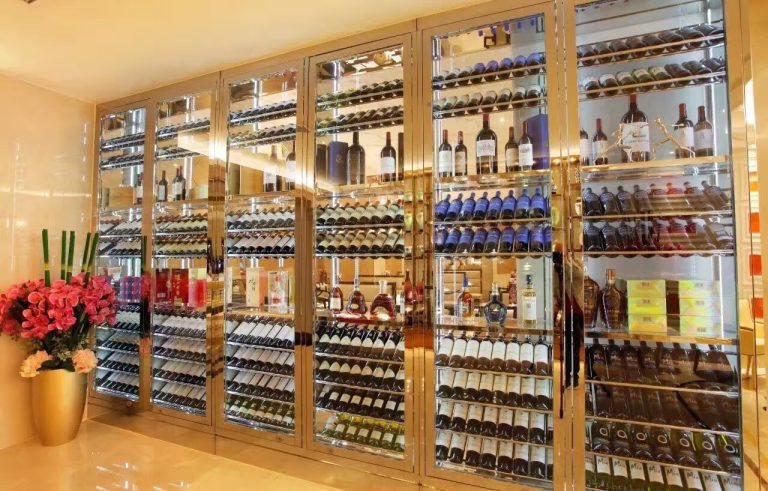
Wine racks have many shapes, the main choice is aesthetically pleasing and easy to categorize. Stainless steel wine racks are durable and affordable, is the public more inclined to the shape of the wine rack. Red oak wine racks have a variety of shapes and natural grain favored by the public. The emerging acrylic wine rack with lighting rendering, so that the wine more high-grade show and more modern.
8. Interior and exterior ventilation
There should be some space around the wine cellar where warm air can be exhausted and fresh air can be pumped in. Exhaust gases, waste water and noise from refrigeration equipment can be vented to the outside. The main considerations for the construction of a home wine cellar are: constant temperature, constant humidity, stability, aesthetics and ease of categorization.
Conclusion
There should be some space around the wine cellar where warm air can be exhausted and fresh air can be pumped in. Exhaust gases, waste water and noise from refrigeration equipment can be vented to the outside. The main considerations for the construction of a home wine cellar are: constant temperature, constant humidity, stability, aesthetics and ease of categorization.