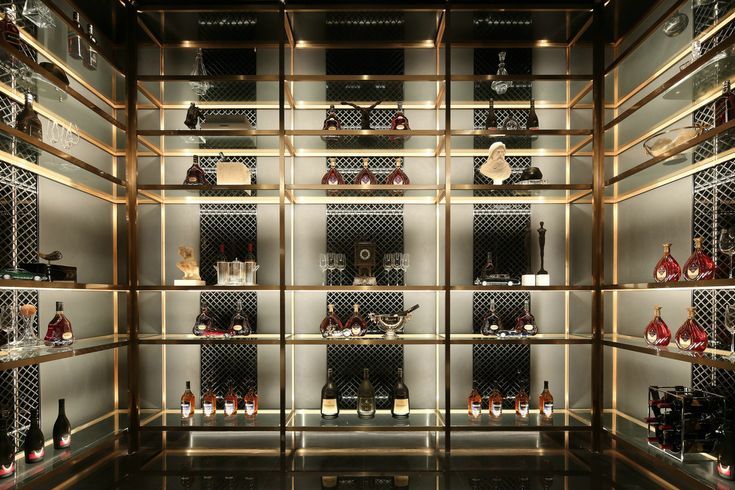
Why Moisture Barriers are Important for Wine Cellars
Why Moisture Barriers are Important for Wine Cellars
One of the most important aspects of any wine cellar is ensuring it remains at the proper temperature. One way to control the climate of a wine cellar is by creating a moisture barrier. While most wine cellar owners may not be familiar with moisture barriers and their functions, it’s best to get familiar with them to ensure your wine cellar operates correctly. Here’s why a vapor barrier is crucial for your wine cellar.
1.What is a Moisture Barrier?
Essentially, a moisture barrier separates the external environment of the wine cellar from the internal environment. While it doesn’t prevent hot air from your home or business from entering the cooler environment of the wine cellar (that’s where insulation comes in), it plays a key role in controlling the overall environment. Your wine cellar needs to keep its temperature lower than the surrounding areas. The moisture barrier is critical for controlling the humidity inside the wine cellar.
2.Why is Installing a Moisture Barrier Important?
To understand why a moisture barrier is important, you need to understand what happens when hot and cold air are imbalanced. Imagine driving in extremely cold weather. Naturally, you turn on the heater to warm the car’s interior—what happens? Your windshield fogs up. Now, apply the same concept to your wine cellar. When you try to keep the temperature of your wine room lower than the rest of your home or business, moisture or humidity from the warmer areas (your house or restaurant) will condense when it comes into contact with the cooler area (your wine cellar). Without the proper barrier separating these two opposing environments, condensation will form.
3.Do All Wine Cellars Need a Vapor Barrier?
The short answer is yes. No matter where you are, any climate-controlled wine cellar needs a vapor barrier. If you are chilling the wine room, insulation is necessary, and if you are heating it, a barrier is required. In humid climates, this prevents warm, humid air from entering the wine cellar, which can lead to mold. In dry climates, it helps regulate the humidity inside the cellar. The moisture barrier is typically installed between the foundation walls and the insulation layer. The vapor barrier is on the outside of the wine room!
While there are several insulation methods, closed-cell foam is the best method for insulating and moisture-proofing a wine cellar. The advantage of using closed-cell foam (polyurethane) is that it forms a vapor barrier as it’s sprayed. No plastic sheeting needs to be installed, although other options may be required. Closed-cell spray foam expands and fills all cracks and gaps, leaving no openings. If any wires, conduits, or pipes pass through the basement wall, the foam will form a tight seal around them, preventing vapor from penetrating the material.
4.What Happens if the Wine Cellar Doesn’t Have a Moisture Barrier?
When a wine cellar lacks a moisture barrier or the barrier is improperly installed, condensation may form, weakening the insulation and causing mold growth. Excessive condensation can also threaten the integrity of the cellar walls and make the cooling system work harder to maintain proper humidity levels, eventually burning it out. You want to ensure moisture never reaches the cooler surfaces.
Conclusion
The best way to ensure your wine cellar is properly insulated is to work with our wine cellar installation professionals. LeadMC will be able to assess your cellar’s construction space, recommend installation methods and vapor barrier options, and provide you with the best advice to keep your temperature-controlled wine cellar operating smoothly. If you are considering adding climate control to an existing wine room, work with a company that offers wine cellar cooling services to protect your cellar.